Human rights within
Philips' operations
Philips' operations
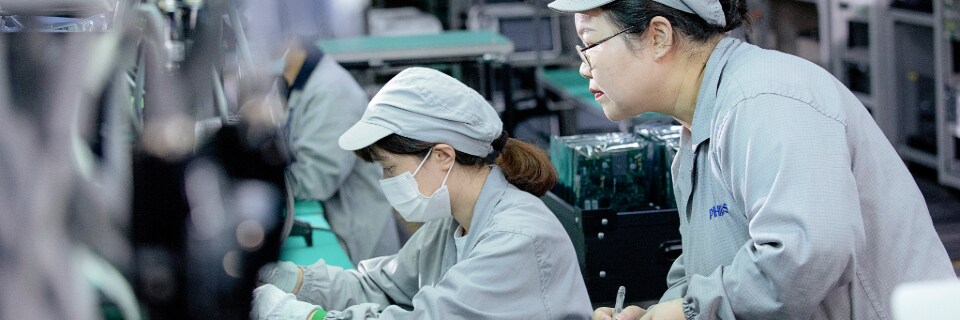
Philips conducts risk-based human rights due diligence by identifying, prioritizing and addressing impact areas across our global operations. Through regular assessments and continuous improvement, we aim to strengthen our practices in line with international standards and industry best practices.
Human rights within Philips' operations
Philips conducts risk-based human rights due diligence by identifying, prioritizing and addressing impact areas across our global operations. Through regular assessments and continuous improvement, we aim to strengthen our practices in line with international standards and industry best practices.

Embedding responsibility into our operations
Our commitment is expressed through our General Business Principles (GBP), Human Rights Policy, Supplier Sustainability Declaration (Supplier Code of Conduct) and additional domain-specific policies. The GBP monitoring and reporting program validates the global implementation of these standards through training and communication.
Philips’ Human Rights Impact Assessment (HRIA)
A data-driven approach
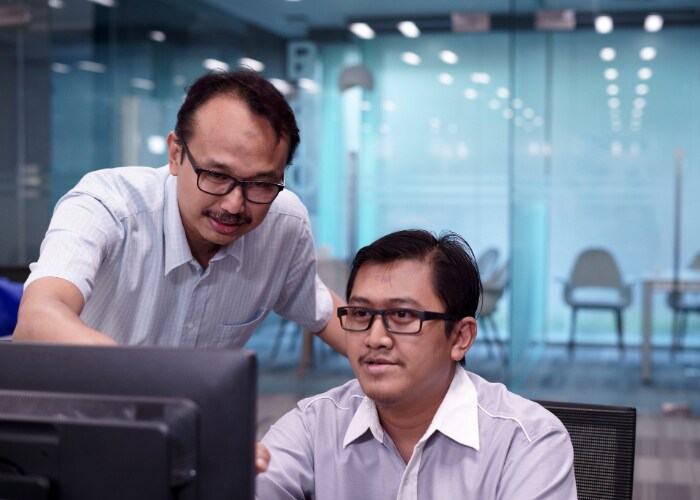
Philips uses a country risk assessment to identify locations with elevated human rights risks. This assessment combines open-source data, global benchmarks, and internal indicators including site size reported concerns. Our Human Rights Impact Assessment process includes desktop validation, stakeholder interviews, anonymous worker surveys and joint action planning with site managers. Insights that extend beyond local operations are escalated to country or global leadership to develop harmonized, scalable solutions.
Assessing at-risk sites
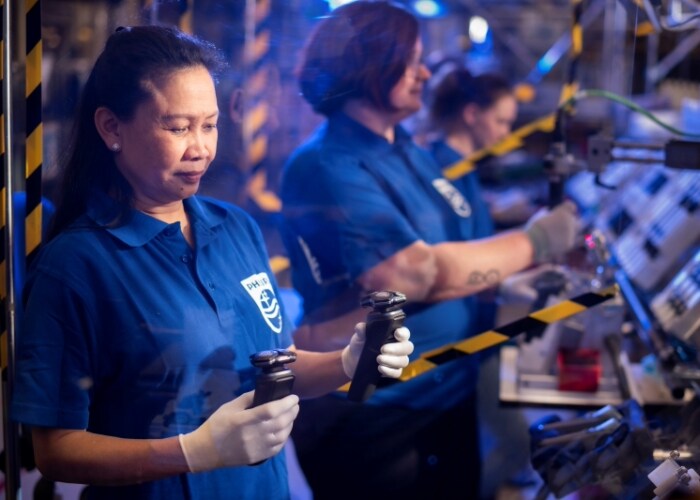
Philips initiated its first HRIA in 2018 at our manufacturing site in Batam, Indonesia, to better understand stakeholder perspectives and human rights risks. The approach expanded to sites in China (2020), India and Brazil (2023), with re-assessments in China and Indonesia in 2024 – achieving our goal of conducting regular HRIAs at all at-risk sites. These assessments help us monitor working conditions, identify potential risks, and guide continuous improvement. Findings are used to develop local action plans and inform global policy refinements. Although primarily focused on Philips’ own operations, a similar deep-dive approach has been extended to selected suppliers since 2022, complementing our broader sustainability and worker engagement programs.
Human rights areas of severe impact
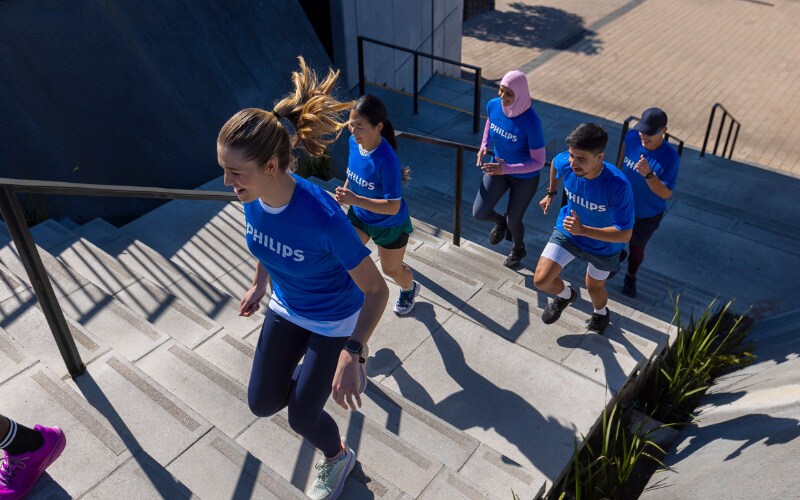
For many years, Philips has worked to identify, assess and address potential and actual human rights impacts across its operations and value chain. These focus areas reflect industry risks, stakeholder insights and lessons learned, helping us continuously strengthen our due diligence and mitigation measures. Privacy and data protection: Philips upholds the right to privacy and data protection, embedding responsible data practices into our products, systems and governance frameworks. Product safety Business integrity Environmental impacts
Freedom from child, bonded and forced labor: Philips prohibits all forms of forced, bonded and child labor. Through our Supplier Sustainability Performance – Beyond Auditing program, we monitor risks and promote fair employment across our value chain.
Non-discrimination: Philips ensures equal opportunity for all regardless of race, gender, age, background or belief, according to our Fair Employment Policy.
Respectful, equal and fair treatment: Philips fosters a workplace free from harassment and abuse. Awareness campaigns, training and Employee Resource Groups empower our people to speak up and support one another.
Remuneration: We believe that every individual should receive equal opportunities and recognition for their work, and we are committed to living wages for all employees, through regular global pay reviews and transparent practices.
Working hours: Philips monitors and limits working hours to protect physical and mental well-being, ensuring compliance with local laws and a healthy work-life balance.
Right to organize and collective bargaining: We respect employees’ freedom of association and collective bargaining rights, engaging constructively with unions and employee representatives.
Workplace health and safety: Philips promotes a proactive safety culture supported by technology, ergonomics and well-being programs – ensuring every employee can work in a safe, healthy environment.

Grievance mechanisms are an important pillar of the United Nations Guiding Principles on Business and Human Rights (UNGP). Through the Philips SpeakUp Policy and SpeakUp mechanism, employees, suppliers and other stakeholders can confidentially report any concern – including potential human rights violations – at any time.

