135 years of improving lives
For over a century, we have continued to improve people’s lives with a steady flow of ground-breaking innovations and entrepreneurship.
1890s: Entrepreneurs in a new light
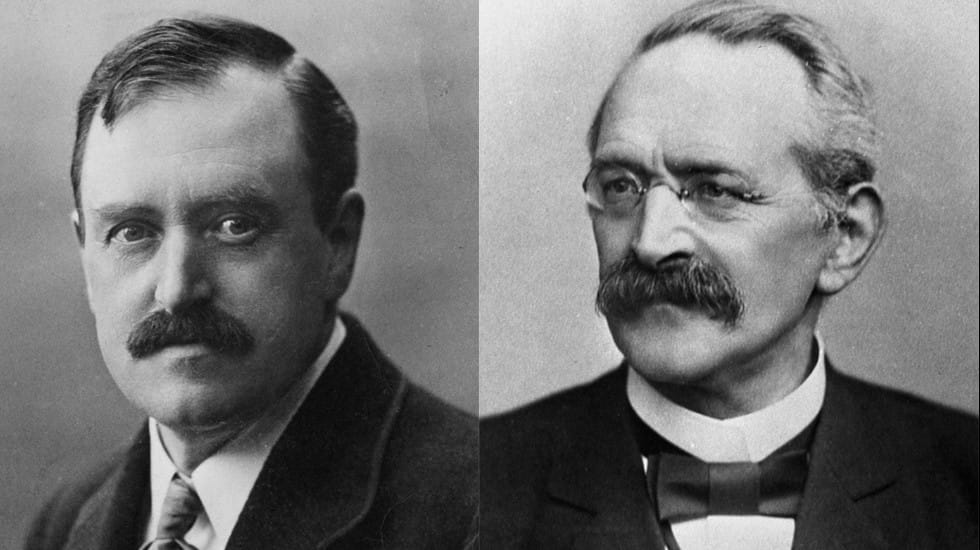
Philips & Co. was founded in 1891 in Eindhoven, the Netherlands by Gerard Philips and his father, Frederik. Recognizing the opportunity presented by the mass-market introduction of electricity, and inspired by Gerard’s keen interest in scıence and engineering, the pair soon conceived a bold but timely plan: cost-effective, reliable electric incandescent light bulbs.
1900s: The social pioneers
During the 1900s, Philips became the largest private employer in the Netherlands, with over 2,000 employees. As mass industrialization picked up, Gerard and his brother Anton invested in providing housing, sports and healthcare; Philips was one of the first to pay employees 70% of their salary when they were off sick. This culture of social responsibility continues to this day.

1910s: Growth and success through innovation
Recognizing the value of scientific research to product innovation, the Philips research laboratory – known as ‘Philips NatLab’ – opened in 1914. Led by Dr Gilles Holst, it aspired to the highest standards of research, embarking on visionary projects, such as investigating emerging lighting technologies to discover new sources of light, while its breakthroughs in X-ray tubes ultimately marked the origin of Philips' involvement in health technology.

1920s: A leader in design
Much of Philips design expertise can be traced back to Louis Christiaan Kalff. An architect with a passion for graphic design, Kalff understood the importance of consistent, effective design. He also knew that addressing the needs of customers was the way to preference for the company’s products – and to build its brand. The first product to reflect this design vision was the Philips radio, which also introduced the famous waves-and-stars shield.

1930s: Changing the face of shaving
During the 1930s, Philips introduced its pioneering rotary electric shaver, the Philishave. With its ergonomics and attractive appearance, the Philips Philishave heralded the age of mass-market consumerism. It was an instant success and set the stage for appealing, customer-centric products. Philips has sold an average of 700 Philishaves an hour everyday, since its introduction in 1939.
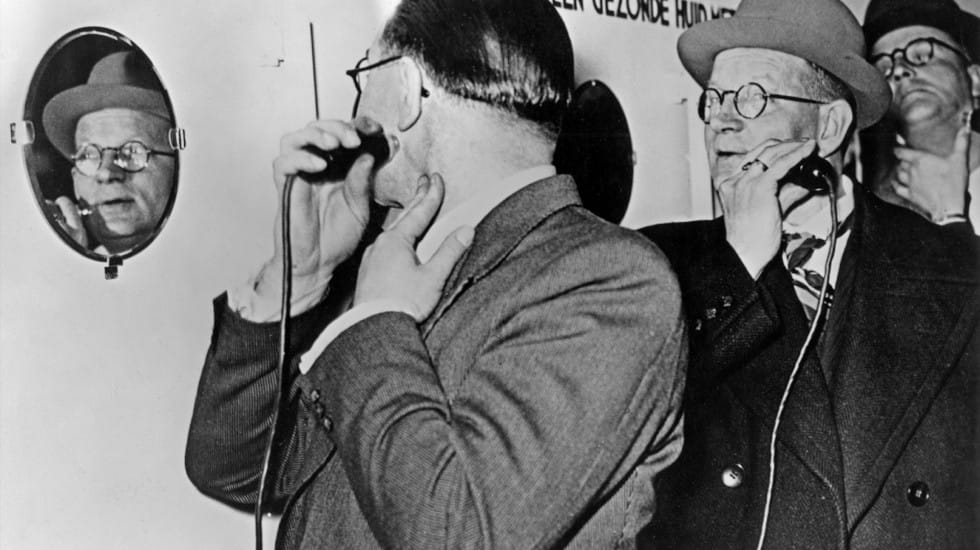
1940s: The modern age of broadcasting begins
After World War II, Philips Research developed innovations to aid post-war recovery. These included tubular fluorescent lights, new magnetic materials and ceramics, hearing aids, and new gramophones, as well as using ultraviolet light to kill bacteria, and miniaturizing and modernizing its radio and shaver technologies. The most significant introduction, though, was mass-market television.

1950s: From products to experiences
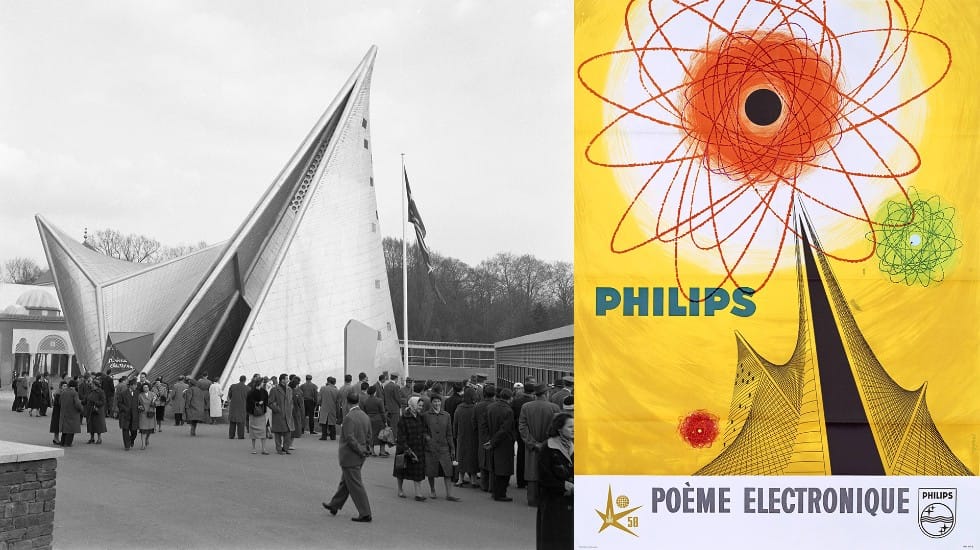
The World Fair was an expression of post-war ideals of peace and innovation. Philips was alone among multinationals in being awarded a pavilion of its own at the 1958 Expo. Known as Le Poème Electronique, the futuristic Philips space hosted a showcase of color, sound and images, creating a unique ‘ambient’ experience; a revolutionary concept at the time and a prelude to Philips Ambient Experience.
1960s: Sound of the ‘60s
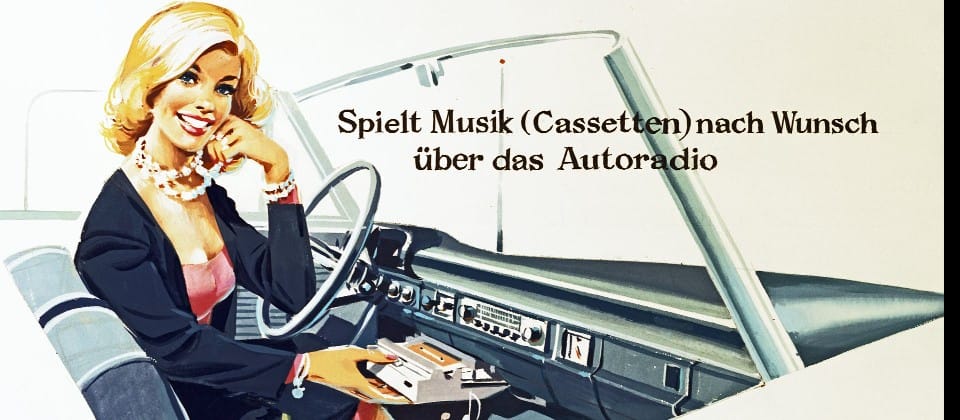
In the response to popular culture and consumer spending power, Philips focused on making technologies accessible. The first compact cassette audio player – ideal for mass market – was an instant success. It set the global standard for tape recording and was followed by the first stereo compact cassette player, as well as car and portable radio cassette players. Philips also drove early breakthroughs in computer chip technology in this era, improving connectivity.
1970s: Continued innovation in sound and vision
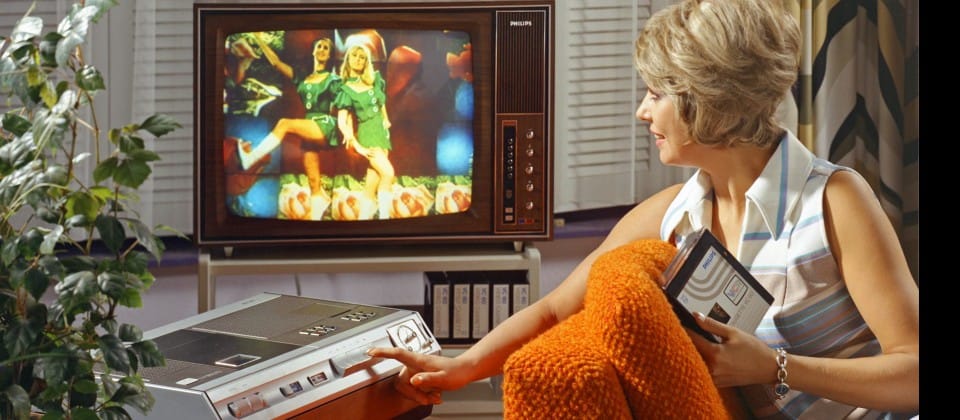
As the video age dawned, Philips launched its first video cassette recorder (VCR) in 1971. While the VCR and ongoing innovations kept Philips at the forefront of consumer products, the company was also undergoing further change as technology and commerce globalized.
1980s: Leading the digital world
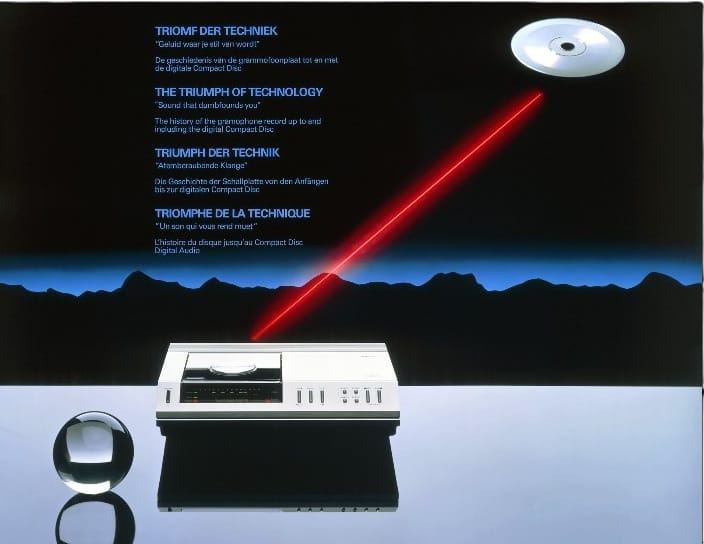
Informed by its pioneering work in images, sound and data, Philips remained at the forefront of emerging consumer digital technologies in the 1980s. Introductions included the LaserVision Optical Disc, optical telecommunication systems and, one of its biggest successes, Compact Disc (CD).
1990s: Human-centered design
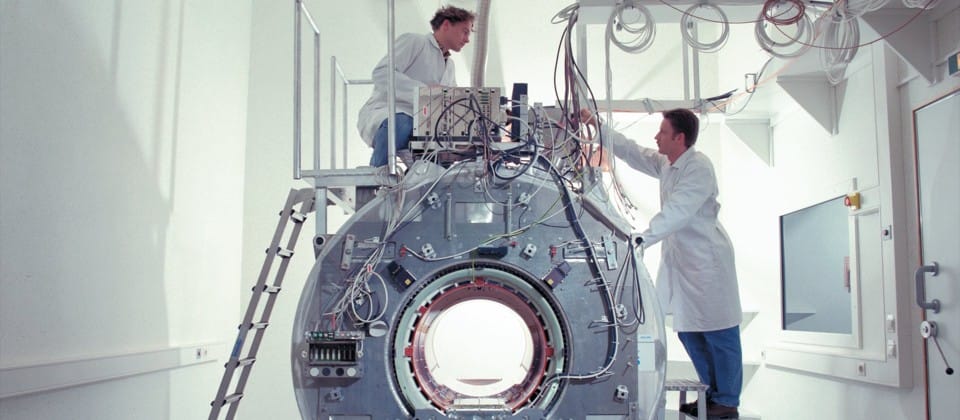
As technology became more complex and ever-present, the 1990s saw the rise of products designed to be easier to use and more comfortable to experience. Philips adopted a human-centered approach to product design entitled ‘Design for Life’, which harmonized and integrated all aspects, improving patient experience and throughput.
2000s: Delivering new experiences
Philips is more than a company name – it is a brand with a purpose. This era marked a renewed, people-centric focus and the company’s first fully comprehensive approach to creating a harmonized Philips brand experience, delivering solutions that were advanced, easy to use, and designed around the user.

2010s: Leading in health technology
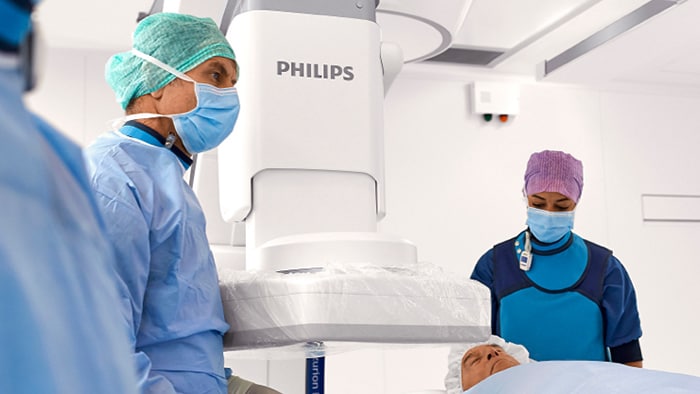
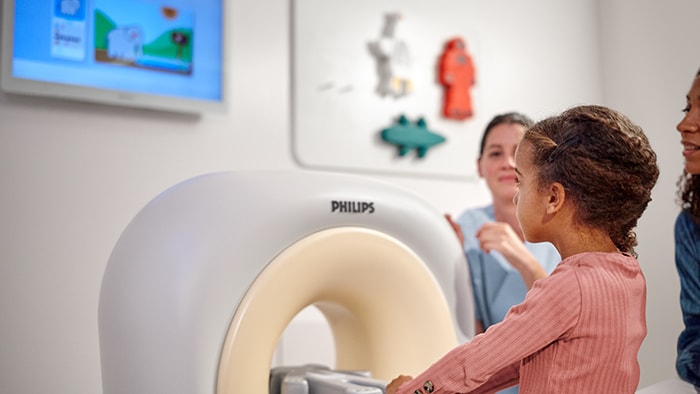
Inspired by its purpose to improve people’s health and well-being through meaningful innovation, Philips aims to improve the lives of 2.5 billion people every year by 2030. Philips’ growing portfolio of innovative health technology solutions supports people’s healthcare outcomes and makes care more accessible.
2020s: Advancing care with the power of AI
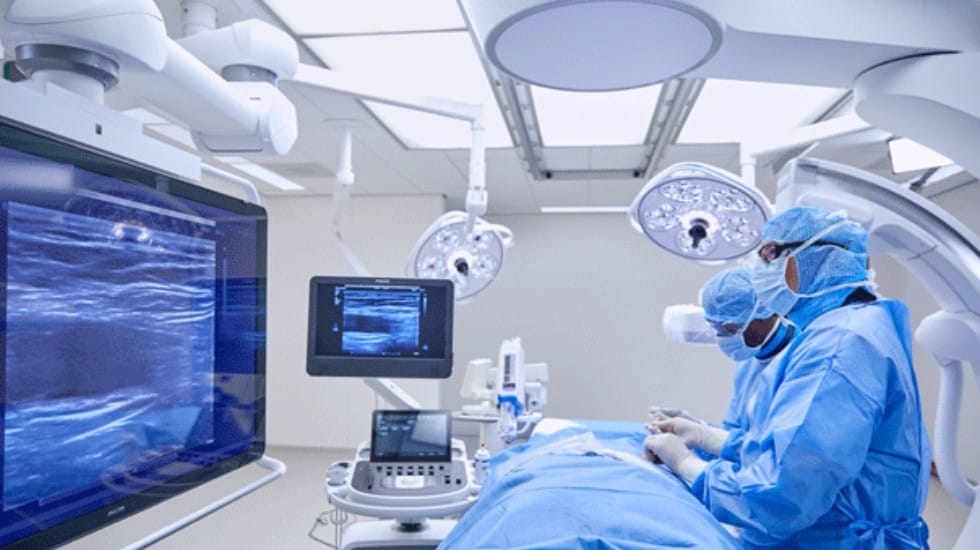
Today, Philips is focused on delivering better care for more people. The company empowers caregivers with AI-enabled technology that gives them more time for what matters most while creating ways for more people everywhere to take charge of their health.
Related pages
Related pages