Six personal care trends to watch in 2026
Feb 19, 2026 | 3 minute read
Personal care has moved from routine to ritual, with people globally making more intentional choices about how they start their mornings, wind down at night, and take care of themselves in between. Over the past few years, holistic well-being has moved out of the “special occasion” category and into daily life, shaped by personal values, evolving identities and a growing expectation that care should feel intuitive, tailored and enjoyable.

For younger generations especially, self-care has moved past indulgence or optimization to an everyday ritual, including tools and experiences that adapt to them, respect their time, and fit naturally into how they live, not the other way around1. Technology plays a role, but so does design, trust and improved outcomes as expectations for next-generation personal care continue to rise. Taken together, these shifts are changing what people expect from consumer health brands and how they engage with them. As we look ahead into 2026, here are six trends that will shape the future of personal care.
AI-powered personalization within self-care rituals
Research shows 62% of U.S. beauty and personal care buyers are interested in hyper-personalized products2. This signals a strong shift from one-size-fits-all solutions to AI-powered personal care devices that address diverse personal care needs and unique wellness concerns3. In 2026, expect to see brands increasingly integrate AI to create tools that learn from user habits and preferences. Advanced, smart technology – like those that power Philips’ proprietary SenseIQ / SkinIQ technology – will give users real-time feedback. From sensors that guide motion and pressure, to products and apps that analyze skin and beard types to adapt accordingly, people will continue to expect a user experience that shifts to meet their needs and enables personalization at scale.
Personal care as part of holistic well-being
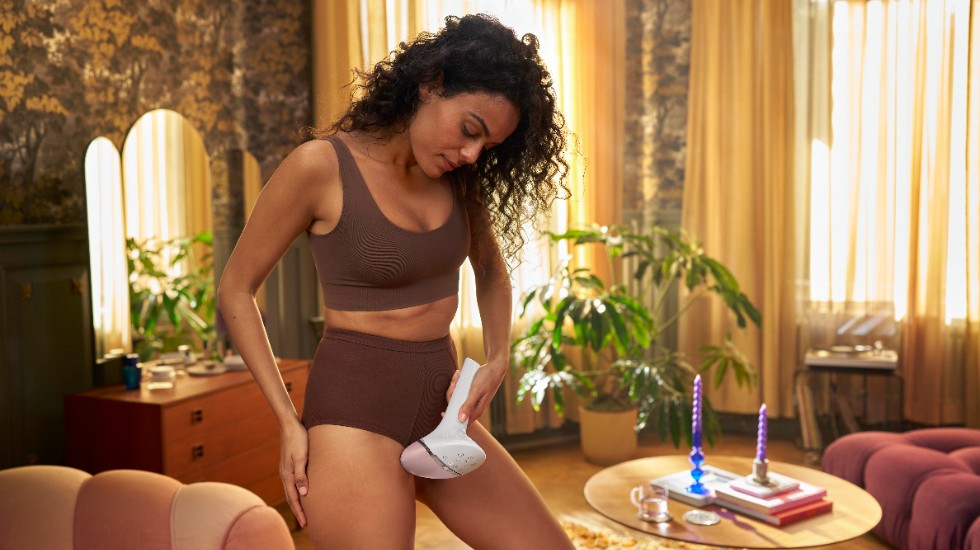
Far from a passing fad, people will continue to prioritize living well for longer in 2026 – 48% believe they’ll be healthier in the next five years thanks to new wellness priorities4. Increasingly focused on the long-term benefits of positive daily habits, up to 60% of consumers across markets say healthy aging is “very important” to them5. In fact, prevention is taking center stage over correction, with younger generations embedding prevention into their routines from the start6. In 2026, expect to see people focusing even more attention on all aspects of their self-care routines. For example, brushing their teeth: research shows that people are continuing to see the importance of self-care practices in the everyday for mental and physical well-being, with oral health a part of this holistic picture7. Maintaining skin care is also becoming a higher priority, particularly for men8. People are looking for personalized, intelligent tools that help them understand and maintain it9 – think of the Lumea IPL with its SmartSkin sensor that analyzes skin tone and adjusts light intensity to promote safe and effective hair removal.
Repairable and sustainable personal care products
Research also shows that interest is rising for consumer products that can be easily repaired – and at the same time, retailers have noted a shift in consumer behavior towards more sustainable products and conscious buying over recent years10. As sustainability and environmental impact are still top of mind for many people, product life cycles will become increasingly important. In 2026, expect to see brands invest more in durability, repairability and timeless design. The move toward repairability and a circular economy – like the Philips Refurb Edition products and Philips Fixables– will respond to a deeper desire for products that last, investments that feel worthwhile and brands that stand behind their goods11.
Sensorial and experience-led personal care
A powerful new dimension is emerging in personal care: sensorial design – with brands recognizing that how a product feels, sounds, smells and looks matters almost as much as its performance12. Advances in functional fragrances, neuroscience and immersive experiences are set to transform self-care into multi-sensory rituals that provide comfort, joy and stress relief13 alongside meaningful, improved results. In 2026, expect to see a desire for intelligent tools that deliver something extra. Whether brushing teeth, shaving, or grooming, people want these moments to feel luxurious and restorative rather than rushed or like ‘just another chore.’ Technology will provide a heightened, more sensorial and memorable experience – think of Sonicare’s unique “Sonicare clean” feeling, directly tied to the toothbrush’s cleaning mechanism and pressure/motion sensor guidance, making the simple act of brushing teeth stand out. Brands can also help create stable, comforting environments by developing products designed for relaxation and mood enhancement. Personal care is increasingly being positioned not just as functional maintenance but as a form of self-expression and emotional regulation14.
The evolution of male grooming beyond the basics
The male grooming market is set to be the fastest-growing personal-care segment15, fueled by evolving perceptions of masculinity and a heightened focus on personal appearance and confidence-driven grooming. In 2026, expect to see men embrace grooming routines and tools that go far beyond their basic shaving needs, helping to boost their individual confidence to tackle whatever their day brings. “Male grooming brands can best respond by destigmatizing their self-care offerings and messaging to speak to diverse expressions of identity and confidence. Human-centric innovation – delivering the right products, solutions, and experiences across the consumer journey – will enable us to meet the men of today where they are and build trust through care that truly matters,” says Fenny Léautier, Head of Consumer Insights and Analytics, Personal Health, Philips.
Peace of mind for parents – from day to night
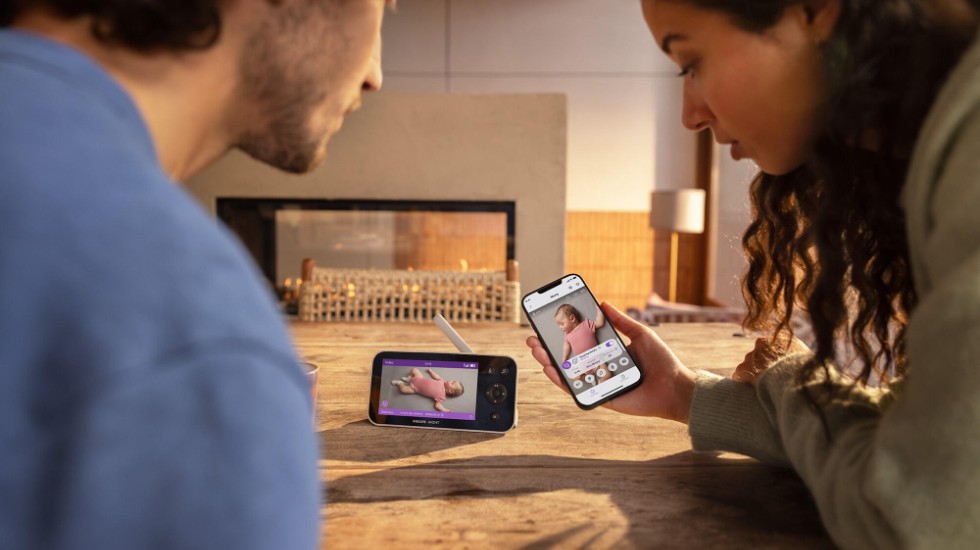
Ensuring peace of mind and sleep quality for babies is of particular importance for parents. And more broadly, products addressing stress and uncertainty in parenting – such as feeding success, credible information and ‘village-supported’ caregiving – will become increasingly important. Convenience and time-saving innovation for working mothers looking to balance careers and parenting will also be key growth drivers. In 2026, expect to see a rise in demand for personalized, AI-powered technology that reassures parents. Baby monitors, like the Philips Avent Premium Connected Baby Monitor, will give parents peace of mind while including features that help soothe babies back to sleep. The integration of baby care, sleep support and parental wellness into one ecosystem will help families feel more in control and less isolated16.
2026: the year of personalized care
People are taking personal care seriously, and they’re looking for brands to do the same. Technology and what people need from it is evolving fast. And as the leader in personal care and consumer health, Philips is meeting those personal care needs through deep personalization, intelligent design, and meaningful innovation that elevates everyday routines into experiences that support long-term well-being. In short, by blending science, sustainability and consumer-centric design, brands will better support people to feel more confident and take better care of themselves and their loved ones in ways that feel intuitive, tailored and meaningful, defining the future of personal care in 2026.
References: 1: Euromonitor International. (2025, November). Top global consumer trends 2026. 2: Mintel (2025, April 17). Personalisation trends are redefining the beauty and personal care industry. Retrieved from https://www.mintel.com/insights/beauty-and-personal-care/personalisation-trends-are-redefining-the-bpc-industry/ 3. Mintel, 2025 4. Euromonitor International. (2025). Trending Topics: Cross-Industry Shifts Into 2026 [White paper]. 5. McKinsey & Company. (2025, May 29). The future of wellness trends survey 2025: The $2 trillion global wellness market gets a millennial and Gen Z glow-up. Retrieved from https://www.mckinsey.com/industries/consumer-packaged-goods/our-insights/future-of-wellness-trends 6. intandem. (2025). Beauty 2030: Drivers of change – Forces shaping the future of the beauty category (Prepared for Philips Beauty). Koninklijke Philips N.V. 7. Philips (2025). Oral health care category toolbox: Q4 2025. Koninklijke Philips N.V. 8. StartUs Insights (2026). Top 10 beauty industry trends [2026]. Retrieved from https://www.startus-insights.com/innovators-guide/beauty-industry-trends/ 9. BeautyMatter. (n.d.). 2026 predictions: Beauty, personal care, food, home and more. Retrieved from https://beautymatter.com/articles/2026-predictions-beauty-personal-care-food-home-and-more 10. SAP (2024, May 14). Why the rise of sustainability is a shift in consumer consciousness. Forbes. Retrieved from https://www.forbes.com/sites/sap/2024/05/14/why-the-rise-of-sustainability-is-a-shift-in-consumer-conciousness/ 11. Euromonitor International (2025). Top Global Consumer Trends 2026 12. Mintel (2026). 2026 Global Beauty & Personal Care Predictions 13. Mintel, 2026 14. ONE Strategy Studio & Philips (2026). Future of Self-Care & Wellbeing Trends: Category Lens 15. Mordor Intelligence. (2025). Personal care products market size, share, 2025-2030 outlook. Retrieved from https://www.mordorintelligence.com/industry-reports/personal-care-products-market#:~:text=Men%E2%80%99s%20grooming%20emerges%20as%20the%20fastest-growing%20segment%2C%20eyeing,focus%20on%20personal%20appearance%2C%20especially%20in%20urban%20locales https://www.euromonitor.com/article/chart-of-the-month-holistic-wellbeing-driving-opportunities-in-sleep-health?utm_source=chatgpt.com 16. intandem with Philips Mother & Childcare (2025). 2035 North Star: Drivers of Category Growth & Innovation