Understanding e-commerce: The key trends rewriting consumer expectations and experience
E-commerce is transforming consumer shopping with AI, social media, and quick delivery, making it even more immediate, intelligent and intuitive.
Mar 16, 2026 | 3 minute read
Once, e-commerce was revolutionary. Today, 20% of total global sales are made from online purchases1; sales growth is projected to surpass $7 trillion in 20262. With that comes higher expectations for the online shopping experience: consumers want something memorable, appreciate flexibility and are looking for a sense of connection after a purchase (like loyalty programs) to keep them engaged. E-commerce’s development followed suit, growing from a channel into a dynamic, AI-powered ecosystem. Discovery is driven by algorithms. Finding and buying the right product happens in under two hours. And the way businesses communicate about their products – through social media, advertisement, and on their webpages – is as influential as the products themselves. As digital transformation accelerates across every touchpoint, there are five powerful shifts reshaping e-commerce shopping, and how brands, particularly in personal health, can keep pace.

AI is redefining discovery
The way consumers find products is changing, and fast. Search bars are being replaced by AI search options: think GenAI assistants like ChatGPT, or even AI/Machine Learning engines built into e-commerce platforms themselves. A study by Gartner predicts a 25% drop in traditional organic search traffic in 20263, as AI-driven tools become the starting point for more shopping journeys. Meanwhile, Salesforce reports that 24% of consumers are already comfortable with AI agents shopping for them – particularly among younger shoppers like Gen Z4. Brands need to upskill and invest in AI so they’re ready to meet consumers the second they start their search. The benefits are clear – in 2024, 47% companies using GenAI saw increased revenue5. This means optimizing digital content for voice, chat and predictive AI search functions, while maintaining brand personality and meeting consumer needs on a human level. Most importantly, it involves careful management to make sure information is accurate and safe for consumers to absorb and/or use.
Quick commerce is the new normal
In a world where time is currency, delivery speed defines value. That’s where quick commerce (or q-commerce) comes in – ultra-fast delivery using hyperlocal logistics.
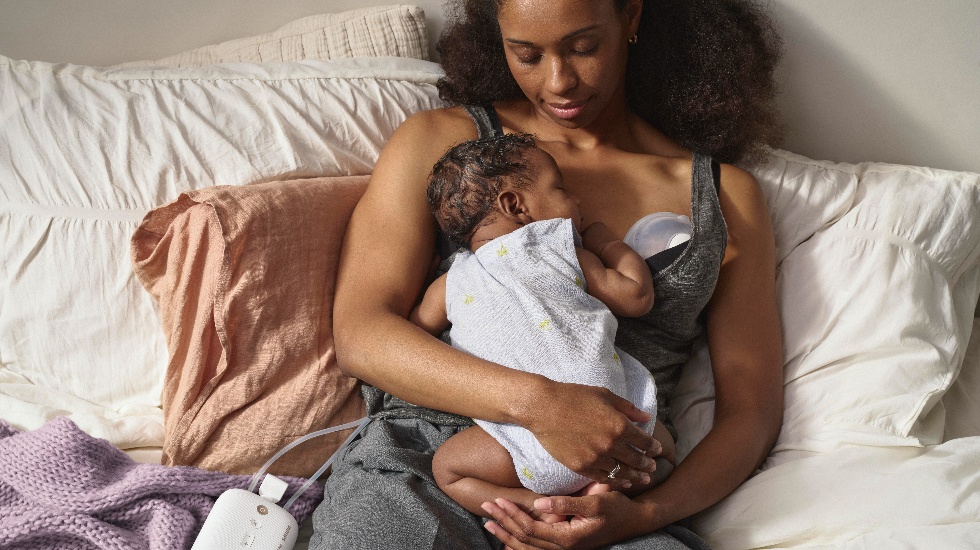
For consumer shopping, especially in personal care and wellness, being available ‘now’ matters more than ever. To meet the rapidly growing demand, Philips is already responding with successful q-commerce in India. “We’ve seen tremendous growth in this area,” says Vidyut Kaul, Head of Philips Personal Health Growth Region (JAPAC, ISC, META & LATAM). “We’re actively building partnerships in this space in the region. Our partnership with Zepto is one example – our consumers can receive their Philips Avent Breast Pump delivery in as little as 10 minutes. For parents who are on-the-go and have plans change, this new flexibility is a game-changer.”
Social commerce is the best of both worlds: inspiration and transaction
For many people, shopping starts on their social feed. TikTok tutorials, Instagram Reels, and influencer livestreams are transforming content into commerce in real time. The ongoing trend and opportunity is huge. In 2025, sales through social networks accounted for an estimated 17.11% of total online sales, with Thailand, Colombia and China embracing this sales channel faster than others6. This led Philips Personal Health to team up with creators, encouraging them to share the meaningful ways through which they have shaped their well-being routines using Philips products. Trust and storytelling turn into sales. As one example, Philips UK teamed up with influencers who experience hair growth from Polycystic Ovary Syndrome (PCOS) during PCOS Awareness Month. Their content brought to life how the Philips Lumea IPL hair removal device can help those who want to remove their hair to feel more self-confident. Shifting away from solely product placement, the content placed Lumea IPL into wider, meaningful consumer well-being conversations, leading to organic consumer engagement, with the social media content performing well above benchmarks.
Taking care of people and the planet as a key differentiator
Today’s digital shoppers expect transparency and want to know the values a brand stands for. Sustainability and inclusivity are now part of the purchase decision, and it’s increasingly important to meet shoppers’ needs when you can. Consider the Philips Refurb Editions initiative. Philips refurbishes a selection of its Personal Health products previously sold online and returned within 30 days. After replacing or thoroughly cleaning hygiene-related parts and rigorously testing the refurbished products, Philips repackages them in their original or recycled packaging, with the products coming with a two-year warranty.
In fact, Philips has been switching to paper-based packaging, and adjusted package sizing where possible to meet consumer needs. Another example is redesigning product packaging, like the Philips OneBlade, so it can fit through a mailbox for convenience.
Retail’s next chapter is predictive, ambient, and human-centered
“The most exciting trends in e-commerce have move on from just speed or scale; today shoppers are looking for full brand immersion,” says Rachael Parratt, Flagship Digital Experience Leader. “The future of consumer shopping will feel less like a transaction and more like a relationship.”
Here’s a glimpse of what’s ahead:
Beyond convenience, toward connection
E-commerce may improve the speed of the shopping experience, but it’s also about increasing the meaning: consumers need to feel understood. As AI, voice, social platforms, and rapid logistics reshape the e-commerce landscape, it’s important to not only respond to changes, but to anticipate and be one step ahead. This will help brands personalize, humanize, and earn trust every step of the way.
References: 1: McKinsey & Company. (2025, January 24). What is e-commerce? Retrieved from https://www.mckinsey.com/featured-insights/mckinsey-explainers/what-is-e-commerce 2: Shopify. (n.d.). Global ecommerce sales: Trends and forecasts. https://www.shopify.com/blog/global-ecommerce-sales 3. 3. Gartner, Inc. (2024, February 19). Gartner predicts search engine volume will drop 25 percent by 2026 due to AI chatbots and other virtual agents [Press release]. https://www.gartner.com/en/newsroom/press-releases/2024-02-19-gartner-predicts-search-engine-volume-will-drop-25-percent-by-2026-due-to-ai-chatbots-and-other-virtual-agents 4. Salesforce. (2025, April 14). Consumers are ready for AI agents, research finds. https://www.salesforce.com/news/stories/consumers-ready-for-ai-agents-research/ 5. McKinsey & Company. (2025). The state of AI. https://www.mckinsey.com/capabilities/quantumblack/our-insights/the-state-of-ai 6. Statista. (2025). Share of social commerce in global retail sales. https://www.statista.com/statistics/1251145/social-commerce-share-worldwide/ 7. McKinsey & Company. (2025). The value of getting personalization right—or wrong—is multiplying. https://www.mckinsey.com/capabilities/growth-marketing-and-sales/our-insights/the-value-of-getting-personalization-right-or-wrong-is-multiplying